You want a SUP paddle board that feels steady when you stand on it. It should work well in different water types. It should also make paddling simple. These things are most important for beginners. If you only care about how it looks or the price, you may miss key things. Here are some mistakes people often make:
|
Common Mistakes to Avoid |
|---|
|
Picking just by looks or price |
|
Not checking paddle board size or weight limit |
|
Not thinking about storage or how to move it |
|
Buying from bad brands or not reading the warranty details |
This beginner’s guide helps you skip these problems. You can choose a board and feel sure about your choice.
Key Takeaways
-
Pick a paddle board that is stable. Wider boards, from 31 to 34 inches, help you balance. You will feel safe on them.
-
Find all-around SUP paddle boards. They work well in many water conditions. You can try different activities with them. You do not need a new board for each activity.
-
Check the size and weight limit. Boards between 10'6" and 11' are good for most beginners. These boards give comfort and stability.
-
Think about inflatable boards if you want easy transport. They are light and easy to carry. They also give good stability for new paddlers.
-
Always use important accessories. A paddle, leash, and personal flotation device (PFD) keep you safe. They also make paddle boarding more fun.
SUP Paddle Board Guide for Beginners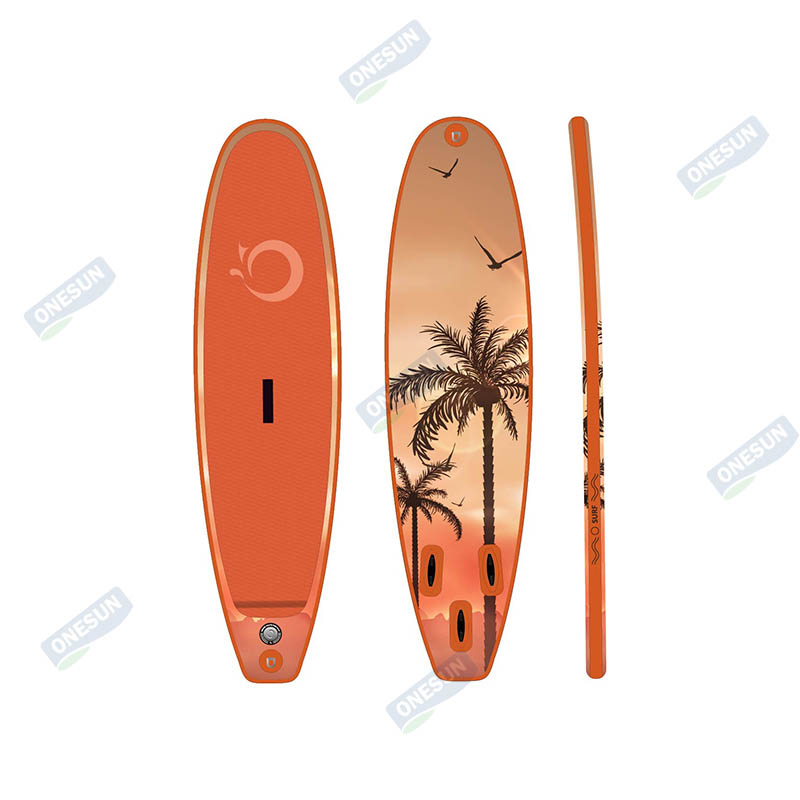
Why Stability Matters
You want to feel steady every time you step onto your paddle board. Stability helps you stand up easily and keeps you from wobbling. When you start paddling, you focus on learning how to move and steer. If your board feels shaky, you spend more time trying not to fall. A stable board lets you practice paddling instead of worrying about balance.
-
You stand up faster and with less trouble.
-
You learn new skills quickly because you can focus on paddling.
-
You gain confidence each time you paddle, so you worry less about falling.
If you’re searching for the best paddle boards for beginners, look for boards that are wide and have more volume. These boards help you stay upright and make your first paddling experience fun.
Tip: Boards with a width between 31 and 34 inches work well for most beginners under 200 pounds. You’ll notice how much easier it is to balance.
Importance of Versatility
You might want to paddle on a calm lake one day and try light surfing the next. Versatility means your board can handle different activities. All-around boards are the best paddle boards for beginners because they work well in many situations. You can use them for casual paddling, fitness, or even fishing.
A board with a gently rounded nose and tail gives you more options. It adapts to different water conditions and lets you try new things without needing a new board. You don’t have to worry about outgrowing your board too soon.
Note: Choose a board that feels comfortable and easy to use. You’ll enjoy paddling more and get better faster.
Ease of Use for Beginners
You want a board that makes paddling simple. Wider boards with extra volume help you stand and balance. Models like the cruiser, with a 33-34 inch base, offer steady support. User-friendly features, such as well-placed carrying handles, make it easier to move your board from your car to the water.
-
Look for boards with handles in the middle. You can carry them without straining your arms.
-
Avoid boards with too much volume for your weight. This makes learning harder.
-
Pick a board that fits your size and the places you plan to paddle.
|
Feature |
Why It Matters for Beginners |
|---|---|
|
Width (31-34") |
Makes balancing easier |
|
All-around shape |
Works for many activities |
|
Carry handles |
Simple to transport |
If you want the best paddle board for beginners, focus on stability, ease of use, and quality. You’ll have more fun and learn faster.
Types of Paddle Board for Beginners
Inflatable vs. Hard Boards
When you look at the types of paddle boards, you’ll notice two main options: inflatable and hard boards. Most beginners pick an inflatable beginner paddle board because it feels stable and safe. You can inflate it quickly and carry it in a backpack. This makes it easy to store and move around. Inflatable paddle boards are wider and thicker, so you get more balance and confidence as a beginner. You don’t have to worry about falling as much.
Hard boards give you more speed and performance. They work well if you want to paddle fast or race. But they are heavier and less forgiving when you fall. If you’re new to paddle boarding, you might find a hard board tricky to handle. Inflatable boards are more durable and can handle bumps and drops. You can use them in different water conditions without stress.
Here’s a quick look at the pros and cons:
|
Board Type |
Pros for Beginners |
Cons for Beginners |
|---|---|---|
|
Inflatable |
Stable, easy to use, portable, safe, durable |
Slower, less performance |
|
Hard |
Faster, better performance |
Heavy, less forgiving, harder to transport |
Tip: If you want a beginner paddle board that’s easy to carry and store, go with an inflatable. You’ll feel more comfortable and confident on the water.
All-Around vs. Specialized Boards
You have two main types to choose from: all-around boards and specialized boards. An all-around beginner paddle board gives you stability and lets you try different activities. You can paddle on lakes, rivers, or even small waves. The shape of these boards, with a rounded nose and tail, helps you balance and makes paddling easier.
Specialized boards focus on one activity, like racing or surfing. They are less stable and harder to use if you’re just starting out. All-around boards work best for beginners because they fit many situations. You can use them for fitness, casual paddling, or exploring. Most all-around boards have a width between 31 and 34 inches, which helps you stay steady.
-
All-around boards offer more stability.
-
You can use them for different activities.
-
Specialized boards are less forgiving and not ideal for beginners.
If you want a beginner paddle board that grows with you, pick an all-around board. You’ll enjoy learning and won’t need to buy a new board soon.
Key Features to Choose the Right Paddle Board
When you want to choose the right paddle board, you need to look at several important features. These paddle board features help you feel steady, safe, and comfortable on the water. Let’s break down what matters most so you can choose the right paddle board for your needs.
Ideal Size and Dimensions
The first thing you should check is paddle board size. Most beginners do best with boards between 10'6" and 11' in length and 32" to 34" in width. This size gives you a good balance of stability and easy handling. If you weigh more than 200 pounds, you might want a board that’s a bit longer or wider. Lighter paddlers can use shorter boards, but you should not go too narrow or you’ll lose stability.
You want a board that fits your body and your skill level. If you choose a paddle board that’s too small, you’ll wobble and struggle to balance. If you pick one that’s too big, it can feel heavy and hard to turn. The right size helps you stand up quickly and paddle with confidence.
Tip: Boards in the 10'6"–11' range and 32"–34" wide work well for most adults. You’ll notice how much easier it is to learn and enjoy paddling.
Width and Thickness for Stability
You need a board that feels steady under your feet. Width and thickness are two features that make a big difference. Here’s what you should look for:
-
Boards with a width of 32 inches or more help you stay balanced.
-
Ideal board lengths for beginners are between 10’6” and 11’6”.
-
Inflatable boards are thicker and have more buoyancy, which gives you extra stability.
If you want to choose the right paddle board, focus on these features. Wider boards let you stand up without wobbling. Thicker boards float better and support your weight. You’ll feel safer and more relaxed, especially if you’re new to paddle boarding.
Note: Don’t pick a board that’s more than 5 inches thick unless you need extra weight capacity. Too much thickness can make the board feel bulky and slow.
Weight Capacity and Volume
You need to know how much weight your board can hold. This is called weight capacity. If you go over the limit, your board will sink lower and feel sluggish. Volume is another key feature. It tells you how much air or space is inside the board. More volume means more float.
Here’s a quick guide to help you choose the right paddle board:
|
Weight (lbs) |
Volume (liters) Range |
|---|---|
|
170 |
187 - 238 |
|
200 |
220 - 280 |
|
175 |
192 - 262 |
If you weigh 175 pounds, you should look for a board with a volume between 192 and 262 liters. For most adult beginners, a board around 10’6″–11′ long and about 32″ wide is best for stability. Larger paddlers should choose boards longer than 11′ and wider than 34″. Smaller paddlers can use shorter or narrower boards, but don’t sacrifice width or volume.
Tip: Multiply your weight by 1.1 to 1.5 to find the right board volume. This helps you float and paddle easily.
Hull Shape and Performance
Hull shape is one of the paddle board features that affects how your board moves and feels. You have two main types:
-
Planing Hull: Flat and wide. This shape rides on top of the water. It gives you lots of stability and is easy to turn. Most beginners like planing hulls because they feel safe and steady.
-
Displacement Hull: Pointed nose. This shape cuts through the water and goes faster. It’s less stable and can feel tricky if you’re just starting out.
If you want to choose a paddle board that’s easy to use, stick with a planing hull. You’ll find it easier to balance and steer. Displacement hulls are better for racing or touring, but they aren’t the best choice for beginners.
Callout: Look for boards with a flat bottom and rounded nose. These features help you stay upright and enjoy your time on the water.
When you choose the right paddle board, focus on these features: size, width, thickness, weight capacity, volume, and hull shape. You’ll feel more confident and have more fun every time you paddle.
Matching SUP Paddle Board to Activities
Flatwater Paddling
You want to start paddling on calm lakes or slow rivers. All-around SUP boards work best for flatwater. They give you the most versatility. You can try different paddling styles as you gain confidence. You don’t need a specialized board right away. Wider boards, between 32 and 35 inches, help you balance easily. Boards around 10'6" to 11' feel comfortable for most people. You get stability and room to move. These boards hold their value well, so you can upgrade later if you want.
-
All-around general paddle boards let you explore different activities.
-
Wider boards make balancing easier.
-
Boards in the 10'6"–11' range suit most paddlers.
Tip: Start with a stable board. You’ll feel more relaxed and enjoy your time on the water.
Fitness and Touring
If you want to paddle for fitness or go on longer trips, you need a board with special features. Fitness and touring boards are usually longer and narrower. They move faster and track straight. Look for a pointed nose and a displacement hull. This shape cuts through water and helps you paddle farther with less effort. You can carry extra gear for overnight trips. Deck features like tie-down points and bungee storage help you secure your essentials.
|
Feature |
Description |
|---|---|
|
Length and Width |
Longer (12-14 feet), narrower for speed |
|
Pointed Nose |
Cuts through water for smooth paddling |
|
Displacement Hull |
Efficient for endurance paddling |
|
High Volume |
Supports extra gear |
|
Deck Features |
Tie-downs and bungee storage |
|
Fin Configuration |
Larger center fins for tracking |
Note: Planing hulls work well for leisure paddling and yoga. Displacement hulls are best for fitness and touring.
Small Waves and Surf
You want to catch waves and try surfing. Surf paddle boards are shorter and narrower. They have a pointed nose and a rocker shape. This design lets you turn quickly and ride waves with precision. Smaller boards help you maneuver easily. You can carve turns and glide over waves. Surf-specific boards focus on agility and responsiveness. Flatwater boards are longer and wider, so they feel more stable but don’t turn as fast.
Surf boards let you perform tricks and catch waves. Flatwater boards help you cruise calmly. Choose a board that matches your activity. You’ll have more fun and improve your skills faster.
Callout: Beginners should start with an all-around board before moving to surf-specific models.
Common Mistakes Beginners Should Avoid
Choosing your first paddle board feels exciting, but you can run into some common beginner paddle board mistakes. Let’s look at what you should watch out for so you can enjoy your time on the water.
Wrong Size or Type
You might think all boards are the same, but that’s not true. Picking the wrong size or type is one of the most common beginner paddle board mistakes. Here’s what often happens:
-
You buy a board with too much volume for your weight. This makes the board feel unstable.
-
You choose a board that’s too narrow. You fall in the water a lot.
-
You pick a board that’s too wide. Paddling feels slow and tiring.
-
You believe inflatable vs hard paddle boards don’t matter. You end up with a board that doesn’t fit your needs.
You want a recommended beginner setup that matches your size and skill. Always check the board’s width and length before you buy.
Tip: Try a few boards if you can. You’ll quickly feel which one gives you the best balance.
Ignoring Weight Capacity
Weight capacity matters more than you think. If you ignore it, you’ll have trouble staying upright. Here’s what can happen:
-
The board sinks too low and loses buoyancy.
-
You struggle to keep your balance and control the board.
-
Paddling feels hard, and you get tired fast.
-
Safety becomes a problem, especially if the board is too small for your weight.
Always check the weight limit on any board you consider. The recommended beginner setup should support your weight plus any gear you bring.
Overlooking Essential Features
Many beginners forget to look for features that make paddling easier. Here are some things you should not miss:
-
A grippy deck pad helps your feet stay in place.
-
Handles make carrying your board simple.
-
Storage mounts let you bring snacks, water, or fishing gear.
-
The size of your inflatable board affects how steady you feel.
You want to compare inflatable vs hard paddle boards and see which features matter most for you. Don’t skip these details when you pick your board. The right features turn a good day on the water into a great one.
Callout: Take your time and look for a recommended beginner setup. You’ll avoid frustration and have more fun learning.
Essential Accessories for Beginners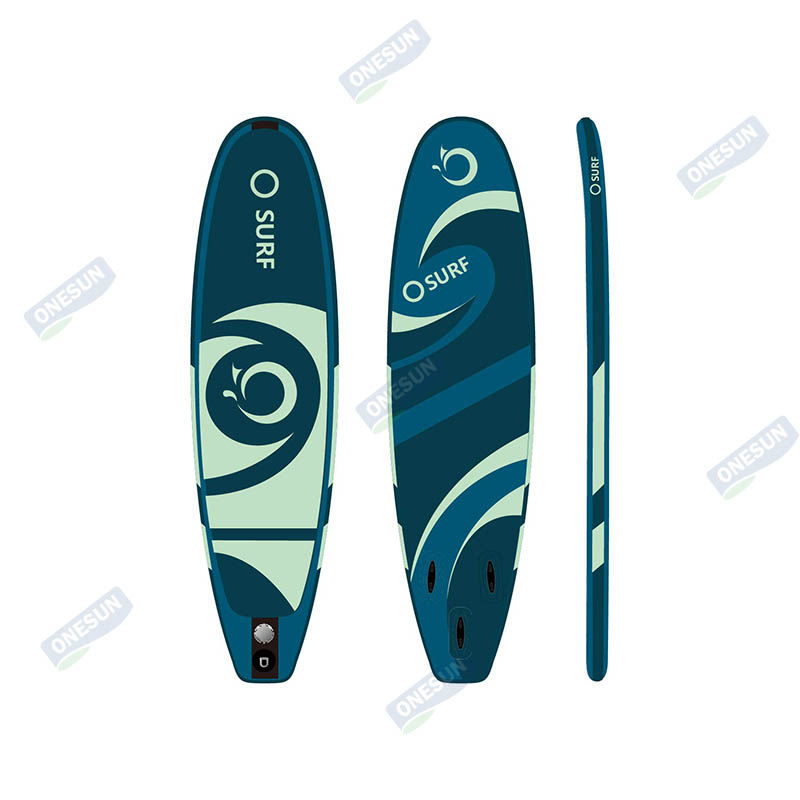
Paddle and Leash
You can’t paddle without a good paddle. When you size your paddle, stand it upright and reach up. The handle should touch your wrist when your arm is stretched. Hold the paddle with one hand on the top and the other a couple of feet down the shaft. Make sure the blade angles forward.
A leash is just as important. It keeps your board close if you fall in. You should wear a straight or coiled leash attached to your ankle. One end connects to your ankle or calf, and the other to the board’s D-ring.
Tip: Always use a leash. It prevents your board from drifting away and keeps you safe.
Essential accessories for beginners:
- Paddle
- Leash
- Personal flotation device (PFD)
Personal Flotation Device (PFD)
Safety comes first. You need a PFD when paddle boarding outside swim or surf zones. Even if you swim well, a PFD can save your life. Children must wear a PFD at all times. Adults need to have one on board.
Here’s what you should know:
|
Requirement |
Description |
|---|---|
|
PFD Requirement |
paddle boards are vessels. You must have a life jacket (PFD) outside surf zones. |
|
PFD Types |
Belt-style inflatable PFDs or foam vests made for paddle sports work best. |
|
Safety Importance |
Wearing a PFD helps you stay safe, especially far from shore. |
Note: Carry a safety whistle and light if you paddle after dark.
Pump and Repair Kit
If you use an inflatable board, you need a pump and repair kit. The best electric pumps, like the Outdoor Master Shark III, inflate your board in about five minutes. Look for a pump with a two-stage process for quick inflation.
Your repair kit should include adhesives like HH-66, Clifton Urethane, Stabond, or AquaSeal. These help fix small leaks or tears.
-
Always keep a repair kit handy.
-
Use recommended adhesives for patching.
Board Bag and Storage
You want your board to last. Store it properly to keep it in good shape.
Follow these steps:
-
Drop the pressure to 10-15 PSI if you use a storage rack.
-
Lay the board flat or suspend it evenly to prevent creasing.
-
Remove the center fin before rolling up the board.
-
Never fold the board. Roll it tightly from tail to nose if space is tight.
-
Make sure the board is dry before storing to avoid mold.
Callout: Avoid leaving your board fully inflated in direct sunlight. This prevents damage and keeps your board ready for your next adventure.
You can choose the right SUP paddle board by thinking about stability, size, and how you want to use it. Boards that are wider and thicker help you balance better and feel safer. Look at the hull type before you buy:
|
Hull Type |
Best For |
Performance Traits |
|---|---|---|
|
Planing |
Leisure, yoga, surfing |
Stable, easy to maneuver |
|
Displacement |
Fitness, touring, racing |
Fast, efficient, great for distance |
|
Hybrid |
Many activities, all waters |
Stable, cuts through water easily |
Remember to pick a paddle that matches your height. Buy important accessories for your board. Set small goals, keep track of your progress, and have fun as you learn SUP!
FAQ
What size paddle board should I get as a beginner?
You want a paddle board that is 10'6" to 11' long and 32" to 34" wide. This size gives you great stability and makes learning stand up paddle boarding much easier.
Are inflatable paddle boards good for beginners?
Yes! Inflatable paddle boards work well for most beginners. You can carry them easily and store them in small spaces. Inflatable boards also feel stable and safe when you start learning.
What is the difference between inflatable paddle boards and hard paddle boards?
Inflatable paddle boards are light and easy to move. You can pack them in a bag. Hard paddle boards, also called solid boards, feel faster on the water but are heavier and harder to store. Inflatable boards are best for travel and small cars.
How do I care for my inflatable paddle board?
Rinse your inflatable paddle board with fresh water after each use. Dry it before you roll it up. Store it in a cool, dry place. Avoid leaving it in the sun for a long time. Use the repair kit if you find a small leak.
Can I use my paddle board for different activities?
Yes! You can use your paddle board for flatwater paddling, fitness, or even small waves. All-around inflatable paddle boards let you try many activities. If you want to surf or race, you may need a special board.