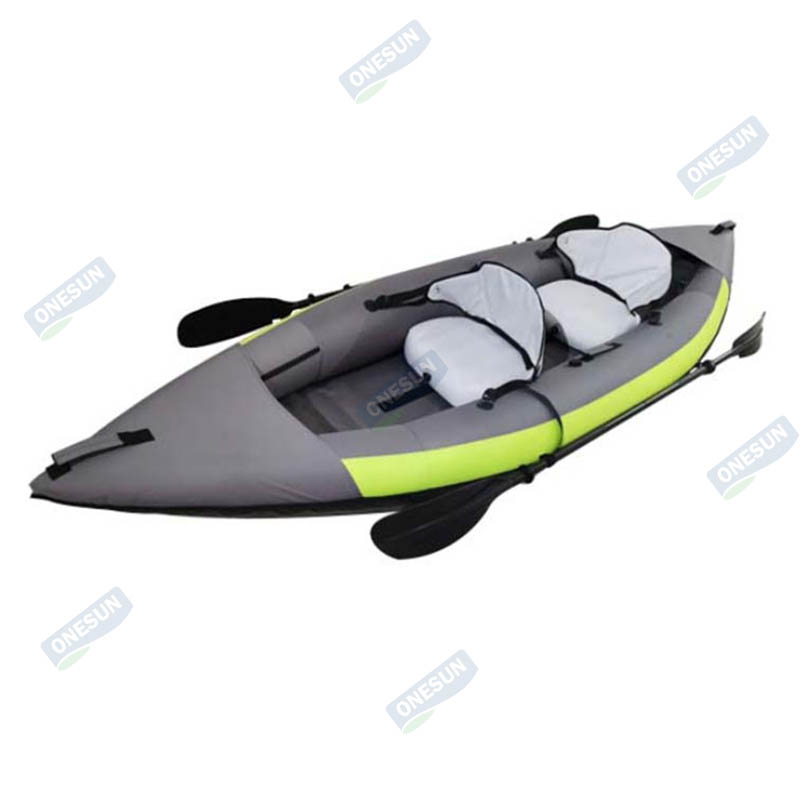
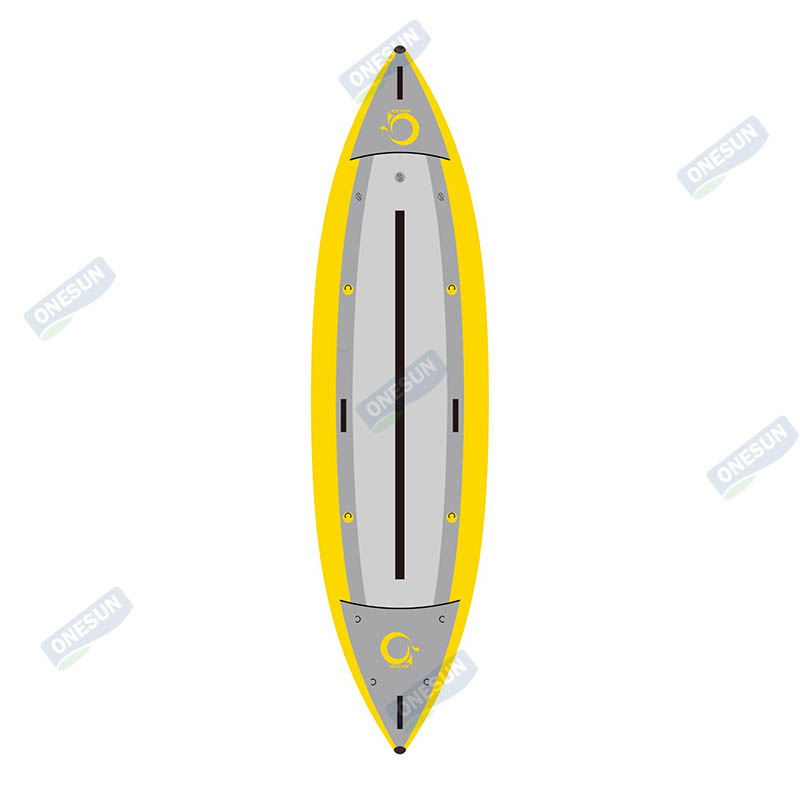
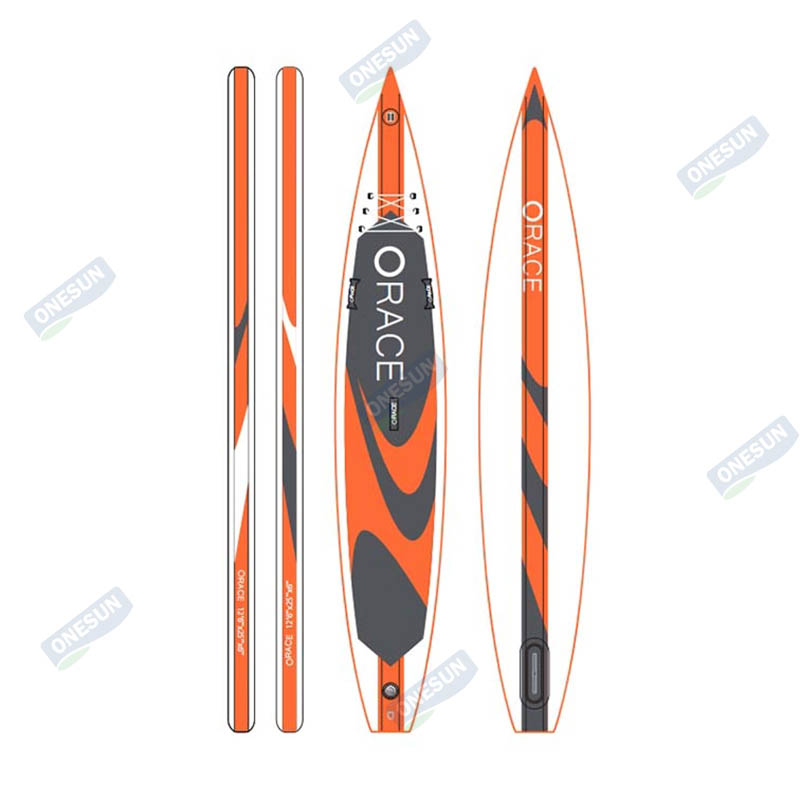
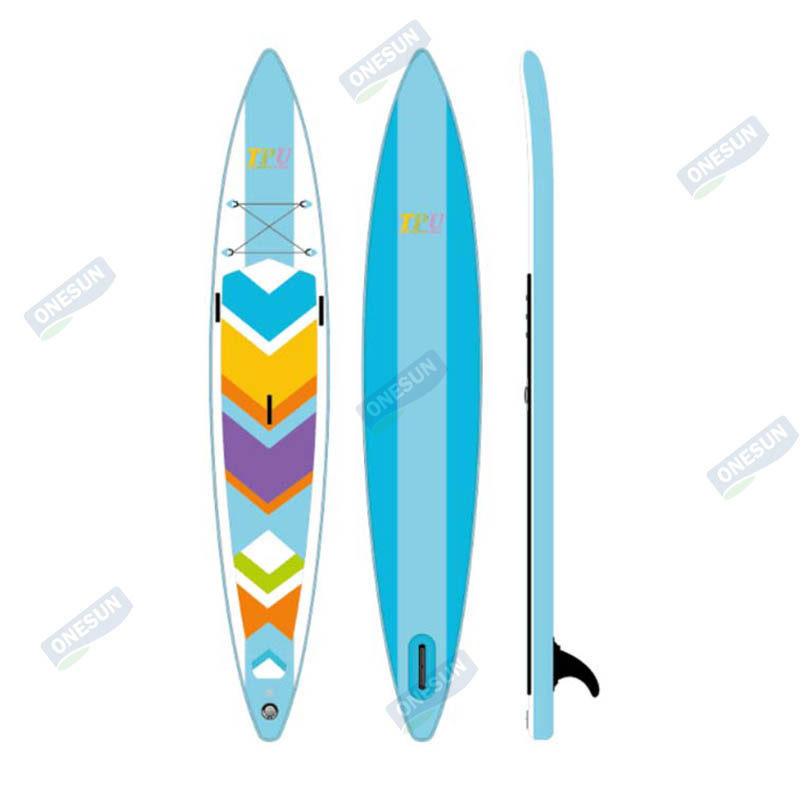
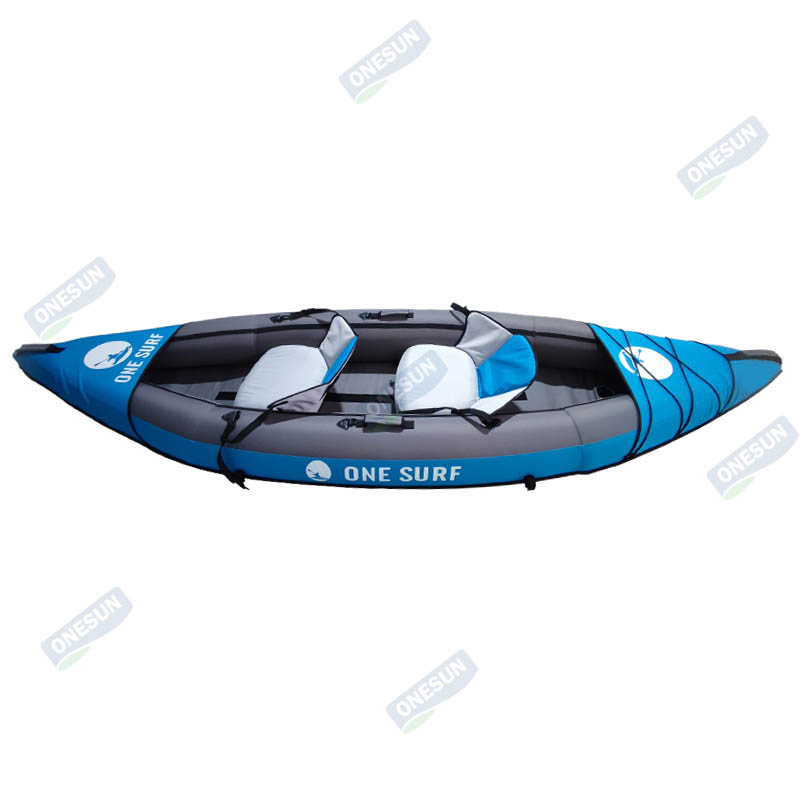
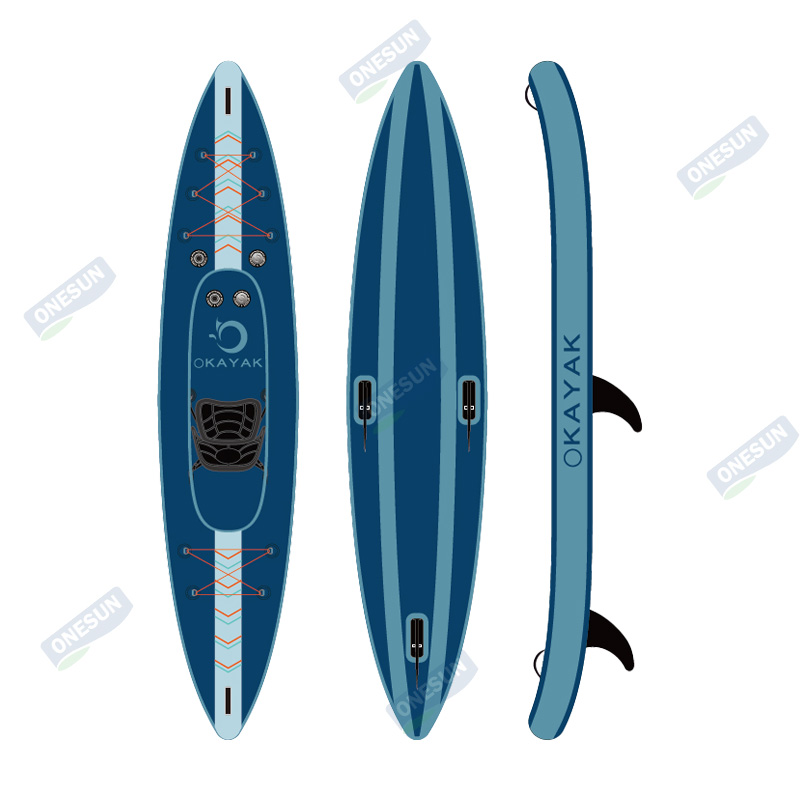
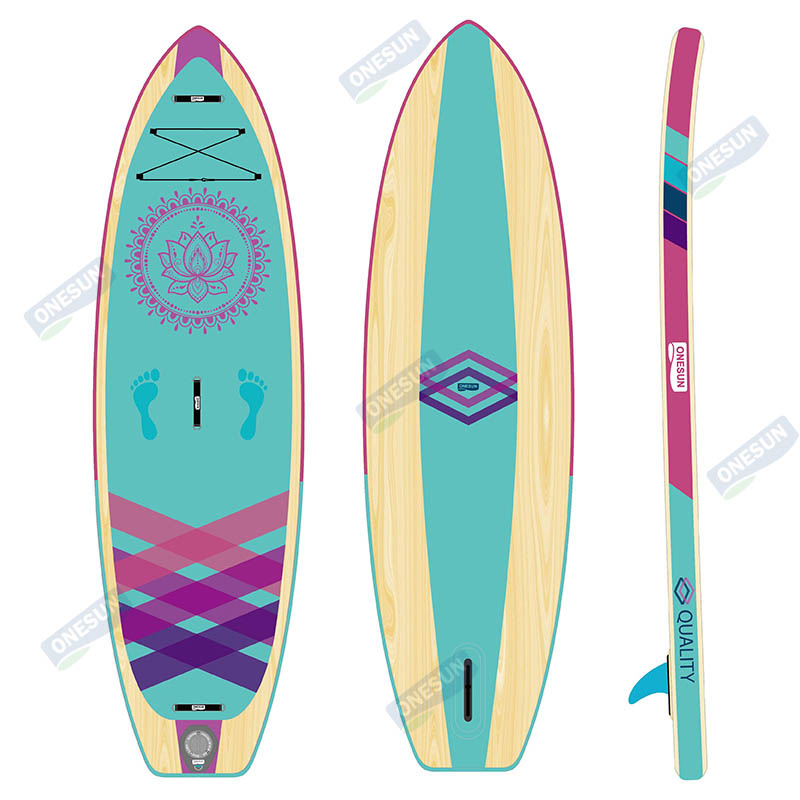
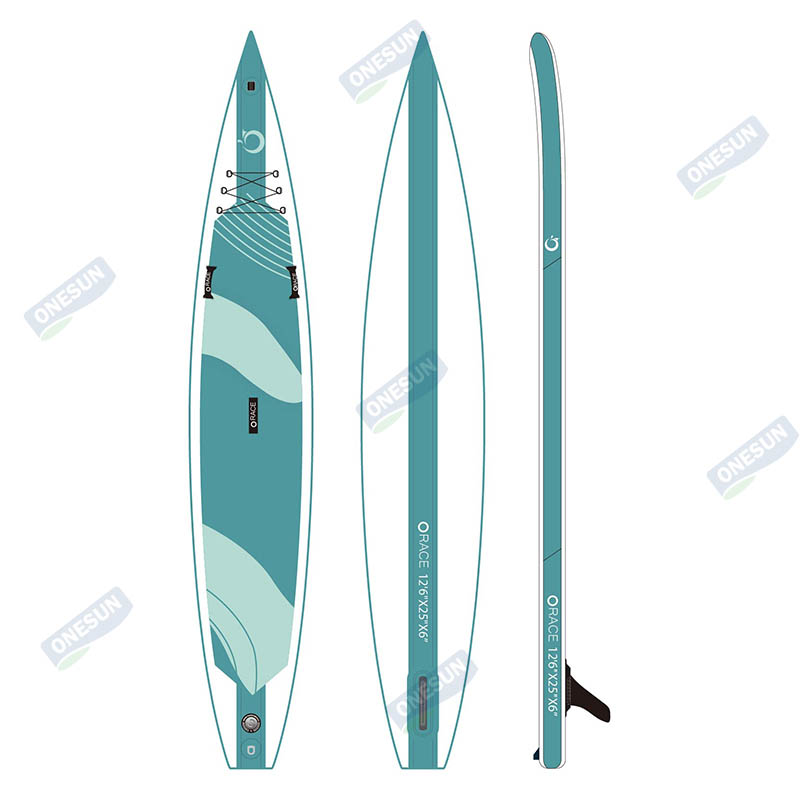
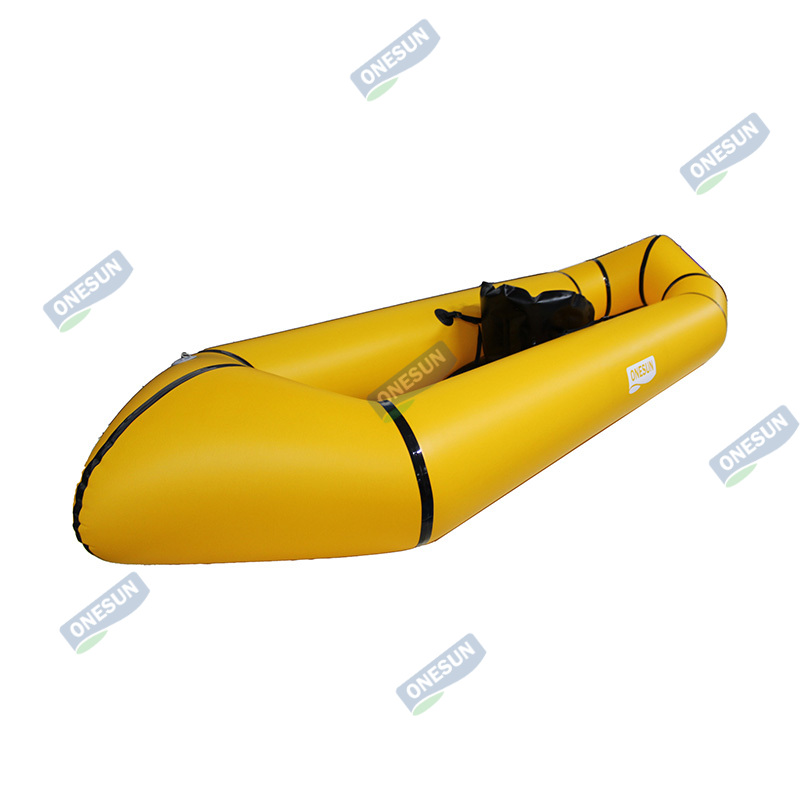
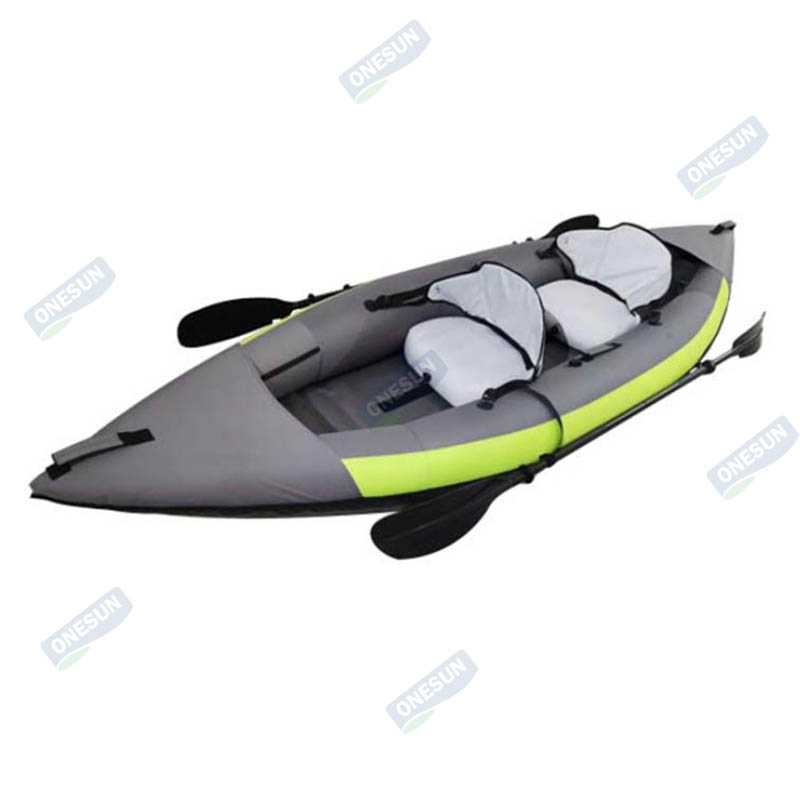
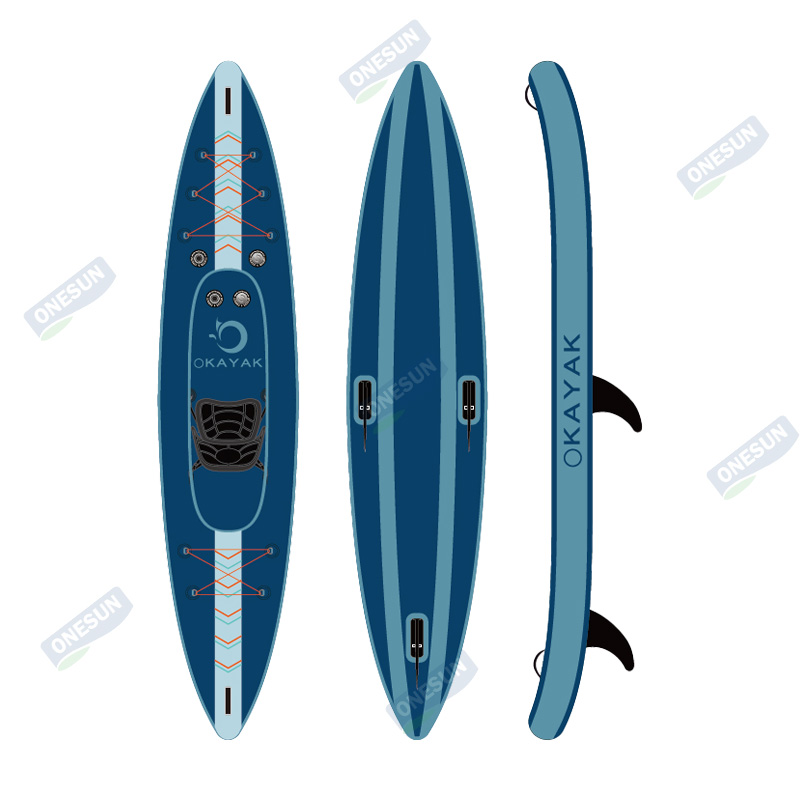
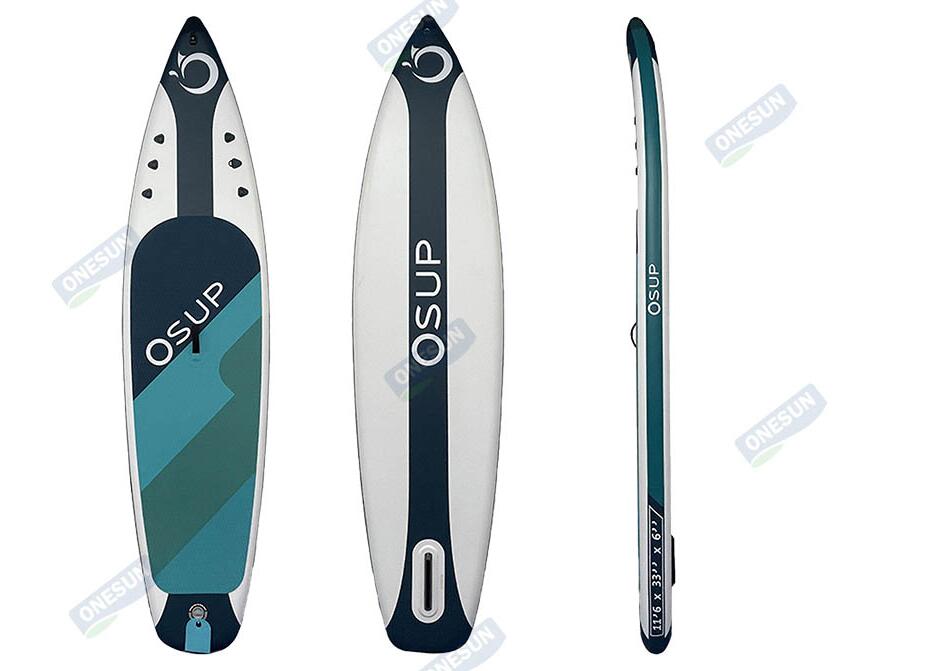
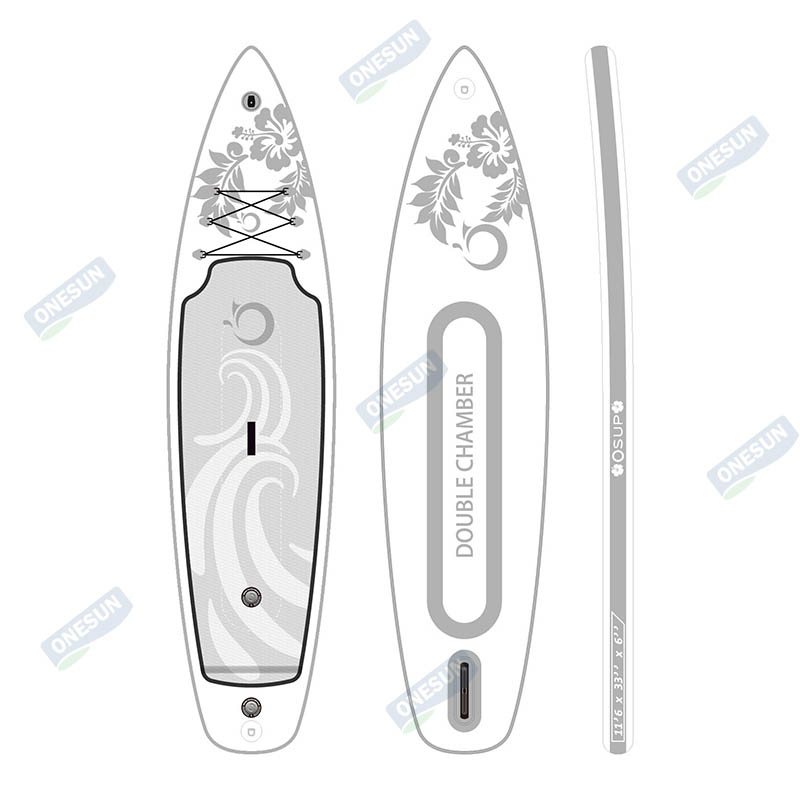
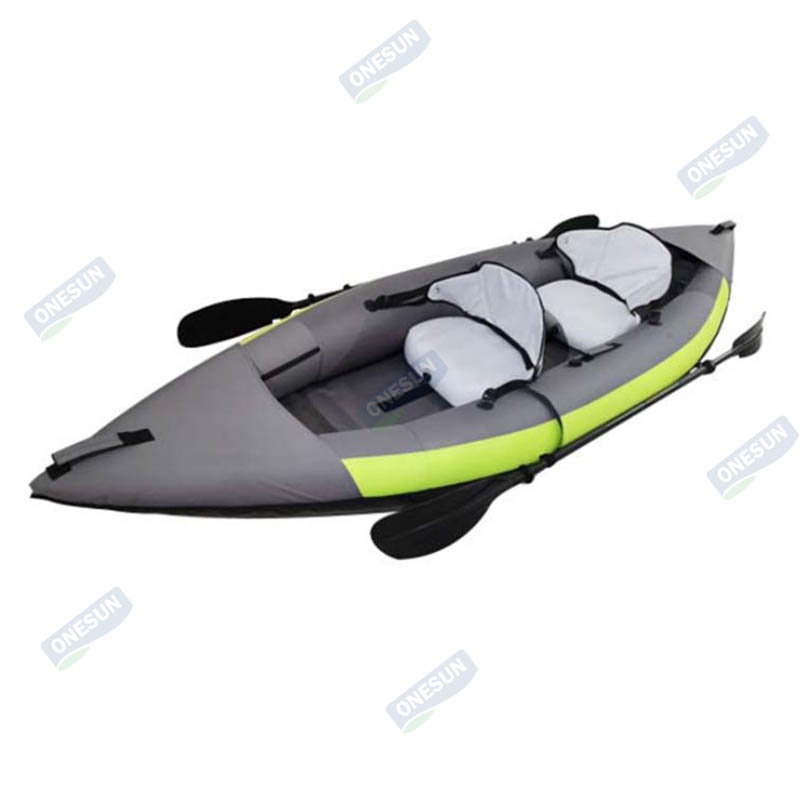
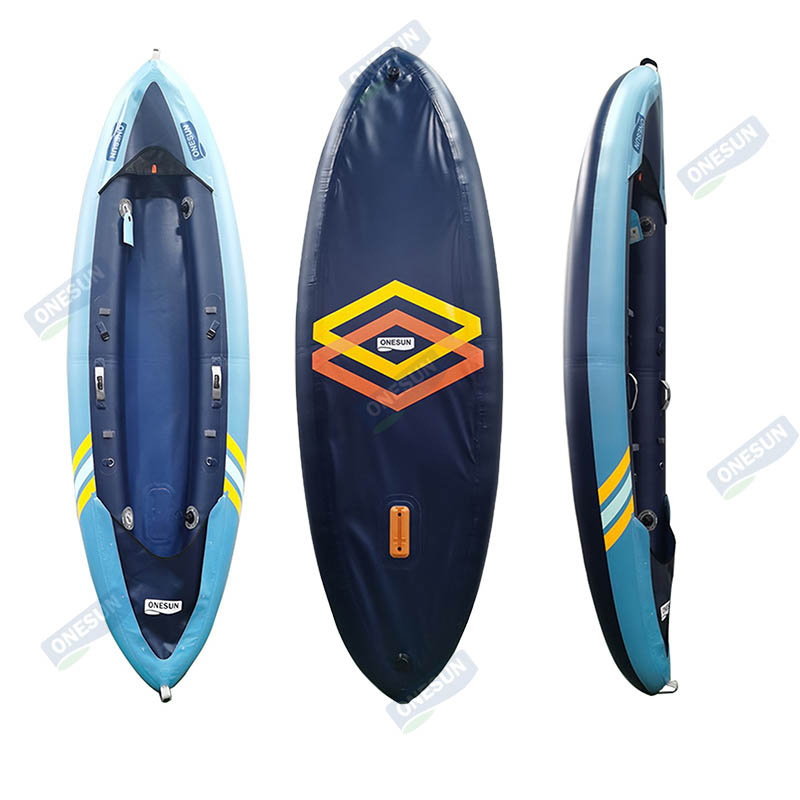
Choosing between Inflatable SUP Boards and inflatable kayaks really comes down to what you want from your time on the water. If you love variety—like yoga, fishing, or just soaking up the sun—a SUP board gives you lots of options and feels fun under your feet. Kayaks offer more stability and speed, especially if you prefer to sit and paddle longer distances. Take a look at the common factors people consider:
|
Factor
|
Inflatable SUP Boards
|
Inflatable Kayaks
|
|
Versatility
|
Great for yoga, fishing, and surfing
|
Best for paddling
|
|
Fun
|
Lots of uses and excitement
|
Focused on comfort and stability
|
|
Speed
|
Slower for long trips
|
Faster and more efficient
|
|
Stability
|
Easier to fall off, quick recovery
|
Very stable, less likely to tip
|
|
Learning Curve
|
Quick to learn balance
|
Easy to start while seated
|
|
Transportation
|
Lighter and easier to carry
|
Compact but heavier
|
|
Wind Performance
|
Catches more wind
|
Handles wind better
|
|
Safety
|
Easier re-entry after falling
|
Awkward to re-enter after capsizing
|
Think about your favorite activities and how you want to spend your day on the water.
Key Takeaways
-
Consider your activities: Choose inflatable SUP boards for yoga, fishing, and fun, while inflatable kayaks excel in speed and stability for longer paddles.
-
Inflatable SUP boards are lightweight and portable, making them easy to transport and store, perfect for those with limited space.
-
Both options offer a quick learning curve, but SUP boards are generally easier for beginners to balance on, while kayaks provide comfort for seated paddling.
-
Safety is key: Always wear a personal flotation device (PFD) and check water conditions before heading out to ensure a safe experience.
-
Evaluate your budget: Inflatable SUP boards and kayaks come in various price ranges, so look for packages that include essential gear to maximize value.
Inflatable SUP Boards: Stability & Use
SUP Board Stability
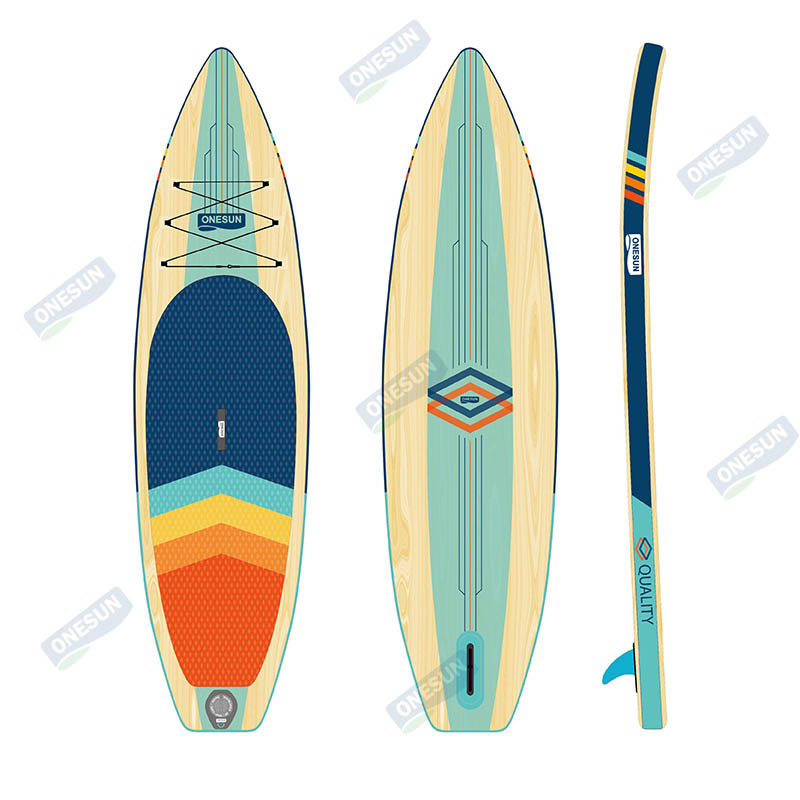
When you step onto inflatable SUP boards for the first time, you might feel surprised by how steady they feel. Many paddlers choose these boards because they offer impressive stability, no matter your size or skill level. The secret lies in their design. Most inflatable SUP boards have a wider and thicker shape, which helps you stay balanced even if you shift your weight. You can find boards that support up to 350 pounds, so you do not have to worry about tipping over if you bring a backpack or even your dog.
Manufacturers use special construction methods to make these boards tough and reliable. Take a look at some features that boost stability:
|
Design Feature
|
Contribution to Stability
|
|
Explosion-proof construction
|
Heavy-duty PVC and reinforced seams for durability.
|
|
Double-layer PVC construction
|
Increases rigidity and reduces puncture risk.
|
|
Triple-Layer Composite PVC / Carbon Rail Reinforcement
|
Enhances rigidity and stability significantly.
|
|
Wider and thicker boards
|
Provide greater stability and capacity for carrying weight.
|
|
Thickness of at least six inches
|
Prevents a floppy feel, ensuring better performance.
|
|
Less aggressive sidecut
|
Offers superior stability compared to boards with dramatic narrowing.
|
|
Heavier-duty touring design
|
Rides like a hard shell SUP, enhancing stability.
|
You will notice that inflatable SUP boards often feel lighter than hard boards of the same size. This lighter weight, combined with a high volume, makes them easier to handle and less likely to tip. If you are new to paddling, you will appreciate how forgiving these boards can be. Many beginners say they feel confident after just a few minutes on the water.
Tip: Stand near the center of the board and keep your feet shoulder-width apart. This stance gives you the best balance and control.
Learning Curve
You do not need to be an athlete to enjoy inflatable SUP boards. Most people can stand and paddle within 10 to 30 minutes, especially on calm water. The sport is famous for being easy to pick up. All you need is a basic sense of balance and a little patience.
Here is what you might experience as you learn:
-
You may wobble at first, but the wide, stable platform helps you recover quickly.
-
You will learn to use your core, legs, back, and shoulders for balance and paddling.
-
You might face challenges like wind, currents, or managing gear on a smaller board, but these get easier with practice.
-
Proper paddling techniques become second nature with a bit of guidance.
If you want to speed up your progress, try paddling with a friend or join a beginner class. Brands like ONESUN design their inflatable SUP boards with beginners in mind, offering extra width and sturdy construction for a smooth learning experience.
Note: Environmental awareness matters. Always check the weather and water conditions before heading out.
Inflatable SUP boards make it simple for you to get started and build confidence on the water. You will find yourself gliding along in no time, ready for adventure or relaxation.
Inflatable Kayaks: Stability & Use
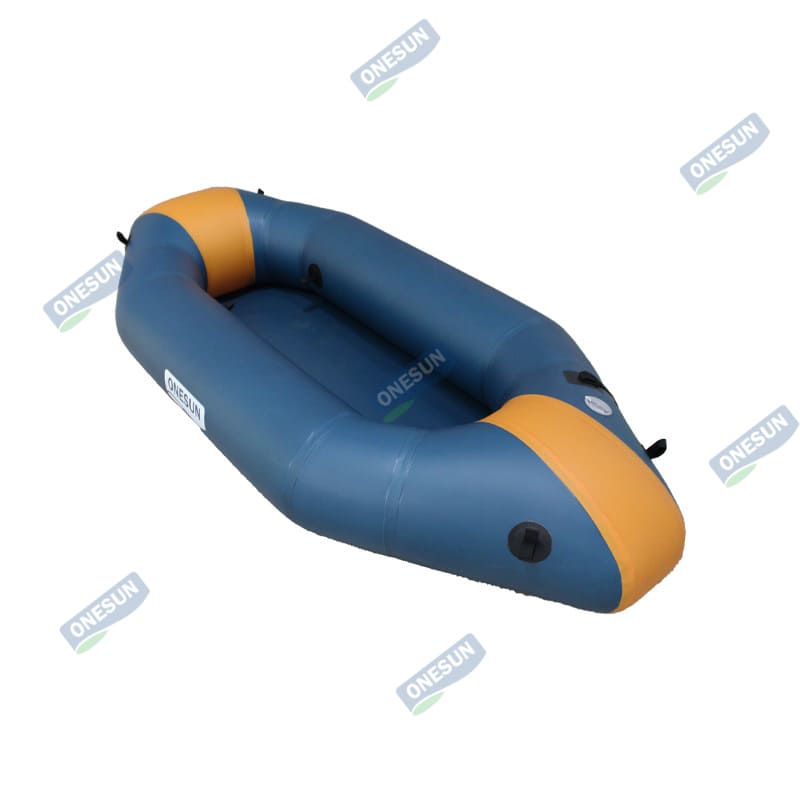
Kayak Stability
You might think inflatable kayaks feel wobbly, but they actually offer impressive stability on the water. Most models use wide hulls and multiple air chambers, which help you stay upright even if the water gets choppy. You can paddle with confidence, whether you’re exploring a calm lake or heading down a gentle river.
Manufacturers design inflatable kayaks for a variety of water environments. You get good maneuverability and a stable ride, especially with premium models. If you compare them to hard-shell kayaks, you’ll notice that rigid kayaks usually perform better in rough conditions. They track straighter and handle waves with more control. Still, advanced inflatable kayaks come close, especially on flat water or mild currents.
Here’s a quick look at what affects the stability of inflatable kayaks:
|
Factor
|
Description
|
|
Material Quality
|
Drop-stitch construction adds rigidity, enhancing stability.
|
|
Design Features
|
Multiple air chambers improve safety and stability on the water.
|
|
Construction Technology
|
Premium models utilize advanced technology for a stable ride, even for beginners.
|
You’ll find that ONESUN inflatable kayaks use these features to give you a steady, reliable experience. If you’re new to paddling, you’ll appreciate how forgiving these kayaks feel. You can focus on enjoying the scenery instead of worrying about tipping over.
Tip: Choose a kayak with a wide base and sturdy construction if you want extra stability, especially for fishing or bringing a child along.
Accessibility
Inflatable kayaks shine when it comes to accessibility. You don’t need to be an athlete or an expert to get started. The design makes it easy for almost anyone to hop in and paddle, including beginners, kids, and people with limited mobility.
Check out some features that make inflatable kayaks user-friendly:
|
Feature
|
Description
|
|
Adaptive Seating
|
Seats that can be adjusted for comfort and support, allowing for a personalized fit.
|
|
Paddling Support Systems
|
Systems that assist users in paddling, accommodating various abilities and reducing strain.
|
|
Stability Enhancements
|
Features like stabilizing outriggers that provide extra stability, making it safer for beginners.
|
|
Padded Seats
|
Comfortable seating with removable cushioning for better positioning of feet and legs.
|
|
Transfer Aids
|
Lightweight transfer benches or chairs for easy access from mobility devices to the kayak.
|
|
Paddle Adaptations
|
Modifications that allow easier use of paddles for those with limited strength or mobility.
|
You’ll notice that many inflatable kayaks come with adjustable seats. This means you can set up your kayak for maximum comfort, whether you’re tall, short, or need extra back support. Some models even include transfer aids and paddle adaptations, so users with limited mobility can join the fun without stress.
If you compare inflatable kayaks to SUP boards, you’ll see that kayaks offer more support for people who want to stay seated. The extra stability and specialized designs—like wider cockpits—make them a great choice for wheelchair users or anyone who needs a little more help getting on the water.
Note: If you want a kayak that’s easy to enter and exit, look for models with large openings and supportive seating. ONESUN offers options designed for comfort and accessibility, so you can focus on having a good time.
Inflatable kayaks open up paddling adventures to everyone. You don’t need special skills or lots of strength. Just grab your paddle, adjust your seat, and enjoy the ride.
Versatility for Activities
Fitness & Recreation
If you want to get fit while having fun, paddle boarding stands out as a top choice. You can enjoy a full-body workout, improve your balance, and clear your mind—all while soaking up the sun. Many people use inflatable SUP boards for fitness classes, yoga, or just a relaxing paddle. Here’s what makes paddle boarding so popular for fitness and recreation:
-
Paddle boarding blends fitness, mindfulness, and adventure.
-
It strengthens your body and clears your mind.
-
You connect with nature in a unique way.
-
It improves cardiovascular health and helps with weight control.
-
Many people join group fitness classes or events on the water.
You can see from recent surveys that people use inflatable SUP boards for a wide range of activities:
|
Activity
|
Description
|
|
Recreational Use
|
General leisure activities
|
|
Competitive Racing
|
Racing events and competitions
|
|
Fitness and Yoga
|
Exercise and wellness practices
|
|
Touring and Exploration
|
Exploring waterways and nature
|
Tip: Try a sunrise yoga session on your board. You’ll feel refreshed and ready for the day.
Fishing & Sightseeing
If you love fishing or sightseeing, both inflatable SUP boards and kayaks offer unique experiences. SUP boards give you an elevated view, which helps you spot fish and enjoy the scenery. You can move around easily to cast your line or take photos. Kayaks sit lower in the water, so you might miss some of the distant views or wildlife. For nature lovers, standing on a SUP board lets you see more of your surroundings and makes every trip feel like an adventure.
-
SUP boards provide an elevated view for spotting fish.
-
You get greater mobility for casting lines.
-
Sightseeing feels more immersive with better visibility.
-
Kayaks offer comfort but may limit your view.
Family & Group Use
Planning a family outing or group adventure? Inflatable docks and larger boards make it easy to bring everyone along. You get a stable platform for swimming, fishing, or just relaxing together. Look for models with high weight capacity and plenty of surface area, especially if you have a big family. Safety features like sturdy construction and reliable anchoring systems matter, too. ONESUN offers options designed for group fun, so you can focus on making memories.
-
Portable docks set up quickly for family outings.
-
Stable platforms let everyone join in activities.
-
High weight capacity keeps things safe and comfortable.
-
Choose larger models for more space and fun.
Performance & Speed
SUP Board Performance
When you step onto the water, you want your board to match your style and goals. Inflatable SUP Boards come in many shapes and sizes, and each one performs a little differently. The hull shape makes a big difference. If you pick a board with a wide, flat planing hull, you get great maneuverability. This style works well for yoga, surfing, or just having fun. If you want to go farther or faster, look for a board with a pointed nose and displacement hull. This design helps you glide smoothly and pick up speed, which is perfect for touring or racing.
The materials matter, too. Boards made with PVC and drop-stitch technology feel sturdy and stable under your feet. You also want to think about the board’s volume and length. Shorter boards turn quickly and suit surfing, while medium-length boards give you more versatility for recreation. ONESUN offers a range of options, so you can find a board that fits your needs—whether you want to cruise, race, or just relax.
Tip: Try different board shapes to see which one feels best for your favorite activities.
Kayak Speed
If you crave speed, inflatable kayaks might surprise you. Their low-profile hulls cut through the water with less resistance. You use a double-bladed paddle, which helps you move faster and keep a steady rhythm. On calm water, inflatable kayaks usually outpace SUP boards. You can cover more distance with less effort, making them a smart choice for longer trips or exploring new places.
While SUPs can keep up in certain conditions, like when you have a tailwind, kayaks win when it comes to pure speed and endurance. You’ll notice the difference if you plan to paddle for hours or want to reach a distant spot on the lake.
-
Inflatable kayaks move faster on flat water.
-
Double-bladed paddles boost your efficiency.
-
You can travel farther without getting tired as quickly.
Note: If speed and distance matter most to you, an inflatable kayak will likely fit your style.
Transport & Storage
Portability
You want gear that fits your lifestyle. Inflatable SUP boards make life easy. You can pack them down to the size of a large duffel bag. That means you can store your board in a closet, toss it in your car, or even check it as baggage on a flight. If you live in an apartment or have limited space, you’ll love how an inflatable paddle board rolls into a compact package. This flexibility opens up paddling opportunities everywhere. You don’t need a roof rack or a big garage. Just grab your board and go.
Inflatable kayaks also offer good portability, but they tend to be heavier and bulkier than SUP boards. You might need a bit more muscle to carry them, especially if you plan to hike to a remote lake. ONESUN designs both boards and kayaks with portability in mind, so you can enjoy the water without worrying about storage or transport.
Tip: If you travel often or want to paddle in new places, an inflatable SUP board gives you more freedom. You can take it on public transport or pack it for a weekend getaway. 🚗
Setup & Breakdown
You don’t want to waste time setting up your gear. Inflatable SUP boards usually take about 5 to 8 minutes to inflate and get ready. You just unroll the board, attach the pump, and fill it up. After your session, you deflate, roll, and pack it away. The process feels simple and quick.
Inflatable kayaks can be even faster. Many models are ready to use instantly. You just unfold, inflate, and hop in. Here’s a quick comparison:
|
Equipment Type
|
Average Setup Time
|
|
Inflatable SUP Boards
|
5-8 minutes
|
|
Inflatable Kayaks
|
Ready to use instantly
|
You’ll find that ONESUN boards and kayaks come with easy-to-use pumps and clear instructions. You spend less time prepping and more time paddling.
Note: Always dry your gear before packing it away. This keeps it fresh and ready for your next adventure.
Cost & Accessories
Price Comparison
You probably want to know how much you’ll spend before you buy your first inflatable SUP board or kayak. Prices can vary a lot, depending on the brand, features, and what’s included in the package. Here’s a quick look at some popular options in 2024:
|
Product Name
|
Price
|
|
Tahe Beach SUP-Yak
|
$700
|
|
Bodyglove Dynamic 10’6” Inflatable Paddle Board
|
N/A
|
Most inflatable SUP boards start around $300 for basic models. Mid-range boards usually cost between $500 and $800. Premium boards can go over $1,000, especially if they include high-end accessories. Inflatable kayaks follow a similar pattern. You’ll find budget-friendly options under $400, but advanced models with better materials and features can reach $900 or more.
ONESUN offers boards and kayaks that fit a range of budgets. Their entry-level packages give you everything you need to get started, while their premium lines include advanced materials and extra accessories. You get good value for your money, whether you’re a beginner or a seasoned paddler.
Tip: Look for bundles that include paddles, pumps, and safety gear. These packages often save you money compared to buying each item separately.
Essential Gear
You need more than just the board or kayak to get on the water safely and comfortably. For inflatable SUP boards, you’ll want a paddle, a pump, and a personal flotation device (PFD). Many budget boards come with basic accessories, but mid-priced and premium options often include better-quality paddles and more efficient pumps. Some high-end boards even feature carbon fiber paddles and advanced dual-action pumps for faster inflation.
Safety should always come first. A PFD is a must-have, whether you choose a traditional lifejacket or a slim inflatable belt pack. The right choice depends on your skill level and the water conditions. ONESUN includes reliable safety gear in their packages, so you don’t have to worry about missing essentials.
Inflatable kayaks require similar gear. You’ll need a double-bladed paddle, a pump, and a PFD. Some kayaks also come with adjustable seats, footrests, and storage bags. ONESUN’s kayak kits often include these extras, making your paddling experience more comfortable and convenient.
Note: Always check what’s included before you buy. A complete package can make your first trip smoother and more enjoyable.
Safety Factors
Water Conditions
You want to stay safe every time you head out on your inflatable SUP board or kayak. Water conditions play a huge role in your experience. Calm bays and protected coastal areas are perfect for inflatable paddle boards. You can also enjoy small surf and relaxed ocean outings. If you see strong winds, heavy chop, or powerful surf, you should use caution. Long open-water paddles can be risky, especially if you’re new to the sport.
Here’s a quick table to help you understand what features matter for safety:
|
Feature
|
Description
|
|
Durability and Material
|
High-quality PVC or reinforced fabric resists punctures and keeps your board or kayak strong.
|
|
Stability and Tracking
|
Rigid bow, stern, or skeg attachments help you maneuver in rough water.
|
|
Safety Features
|
Multiple air chambers and secure seating arrangements add extra protection.
|
-
Inflatable boards and kayaks work best in calm conditions.
-
ONESUN uses tough materials and smart designs to boost safety.
-
Avoid leaving your inflated SUP in direct sunlight. Heat can raise internal air pressure and stress the board.
Tip: Always check the weather before you paddle. If conditions look rough, wait for a better day.
Safety Tips
You can make your paddling adventure safer with a few simple habits. Always wear a brightly colored life jacket, especially in busy waterways. If you paddle outside designated areas, a Personal Floatation Device (PFD) is required. Keep your board or kayak within reach to reduce drowning risks.
Here’s a table with key safety tips:
|
Safety Tip
|
Description
|
|
Follow Navigation Rules
|
You must follow Navigation Rules and report any accidents.
|
|
Wear a PFD
|
Always use a PFD when paddling outside designated zones.
|
|
Use Signaling Devices
|
Signaling devices help other vessels spot you in crowded areas.
|
|
Avoid Alcohol
|
Wait until you’re on shore to enjoy a drink. Alcohol increases accident risk.
|
-
Wear a leash to keep your board close.
-
Paddle with a friend or group for extra safety and fun.
-
Make sure children under six wear a PFD at all times.
ONESUN includes reliable safety gear in their packages, so you can focus on enjoying the water. Stay alert, follow these tips, and you’ll have a great time every trip. 🚤
Pros & Cons Summary
SUP Board Pros & Cons
You want to know what makes inflatable SUP boards stand out—and where they fall short. Here’s a quick look at the main pros and cons, based on what experienced paddlers say:
Pros:
-
You get amazing versatility. Use your board for yoga, fishing, or even light surfing. ONESUN boards handle all kinds of water adventures.
-
Portability is a big win. You can deflate your board and store it in a closet or car trunk. No need for a roof rack.
-
Inflatable SUPs feel stable, especially for beginners. You’ll find it easier to balance and learn.
-
Durability is impressive. These boards bounce off rocks and handle rough conditions better than fiberglass boards.
-
Safety matters. The soft surface means fewer bumps and bruises if you fall—great for kids and new paddlers.
Cons:
-
You need to check air pressure and clean your board regularly. Maintenance keeps it in top shape.
-
Some boards flex in the middle, especially if you don’t inflate them enough. This can affect how they perform.
-
Inflatable SUPs don’t turn or maneuver as quickly as hard boards. You might notice this if you want to surf or race.
-
Inflation takes 5 to 10 minutes. It’s not instant access to the water.
-
Even when fully inflated, they aren’t as rigid as hard boards.
Tip: If you want a board that does it all and stores anywhere, an inflatable SUP from ONESUN is a smart pick.
Kayak Pros & Cons
You might wonder how inflatable kayaks compare. Here’s a simple table to help you see the main advantages and disadvantages:
|
👍 Advantages
|
👎 Disadvantages
|
|
Easy to transport and store
|
Not as durable as hard-shelled kayaks
|
|
Usually very affordable
|
Rarely handle as well as hard kayaks
|
|
Typically very stable
|
Usually don’t provide much storage space
|
ONESUN inflatable kayaks give you a stable, budget-friendly way to get on the water. You can carry them almost anywhere and set them up fast. Just remember, they don’t last as long as hard-shell models and may not track as straight. Storage space is also limited, so pack light for your trip.
Note: If you want a kayak that’s easy to use and easy to move, inflatable models from ONESUN make paddling simple and fun.
Real-Life Scenarios
For Fitness
You want a workout that feels more like play than punishment. Inflatable SUP boards deliver just that. When you paddle, you use your core, arms, shoulders, back, and legs all at once. The water’s movement keeps your muscles guessing, so you build real-world strength and balance. You can even turn your board into a floating gym. Try these moves next time you’re out:
-
Plank Variations: Hold a plank on your board. The gentle rocking makes your core work overtime.
-
Mountain Climbers: Get your heart pumping and challenge your stability at the same time.
-
Paddleboard Russian Twists: Sit down, twist side to side, and feel your abs burn as you balance.
Paddleboarding gives you a full-body, low-impact workout. You’ll find yourself coming back for more because it feels rewarding and fun. The fresh air and water boost your mood, making exercise something you actually look forward to. ONESUN boards are sturdy and stable, so you can focus on your fitness goals without worry.
For Fishing
You love the peace of casting a line on calm water. Inflatable kayaks and SUP boards both work for fishing, but each offers a different vibe. SUP boards let you stand up and spot fish from above. You get a better view and more freedom to move around. Kayaks give you a comfy seat and extra stability, which helps if you plan to fish for hours. ONESUN designs both options with anglers in mind. Look for boards or kayaks with gear mounts and storage spots for your tackle. You can bring a friend or go solo—either way, you’ll enjoy a relaxing day on the water.
For Fun & Exploration
You crave adventure and new sights. Inflatable SUP boards and kayaks open up a world of possibilities. Paddle along a quiet river, explore hidden coves, or just float and soak up the sun. Some boards even let you switch between standing and sitting, so you can change things up mid-journey. This versatility makes them perfect for beginners and seasoned paddlers alike. ONESUN’s hybrid designs combine the best of both worlds, giving you stability, comfort, and freedom to explore wherever your curiosity takes you.
You want gear that fits your lifestyle. Inflatable SUP boards give you versatility, comfort, and easy storage. Kayaks offer stability and speed for longer trips. ONESUN makes both options simple and fun. Check your priorities:
-
Versatility: SUPs let you stand, kneel, or sit.
-
Comfort: SUPs feel flexible and easy.
-
Storage: iSUPs pack lighter and smaller.
-
Price: SUP kits often cost less.
Pick what matches your adventure. Get out there and enjoy the water! 🚣♂️
FAQ
Can I use an inflatable SUP board or kayak in the ocean?
Yes, you can! Just pick calm days and avoid strong winds or big waves. Always check local conditions before you go. ONESUN boards and kayaks work well for ocean paddling when you follow safety tips.
How long does it take to inflate an ONESUN SUP board or kayak?
You can inflate most ONESUN SUP boards in about 5–8 minutes. Kayaks usually take a similar amount of time. Use the included pump for best results. Electric pumps make the job even easier.
Which is easier to transport: an inflatable SUP board or kayak?
Inflatable SUP boards usually weigh less and pack smaller than kayaks. You can carry a SUP board in a backpack. Kayaks take up more space but still fit in most car trunks.
Do I need special gear to start paddling?
You need a paddle, a pump, and a personal flotation device (PFD). Most ONESUN packages include these essentials. Always wear your PFD for safety.
Can kids use inflatable SUP boards or kayaks?
Yes! Many kids enjoy both. Choose a board or kayak with the right size and weight limit. Always supervise young paddlers and make sure they wear a PFD.