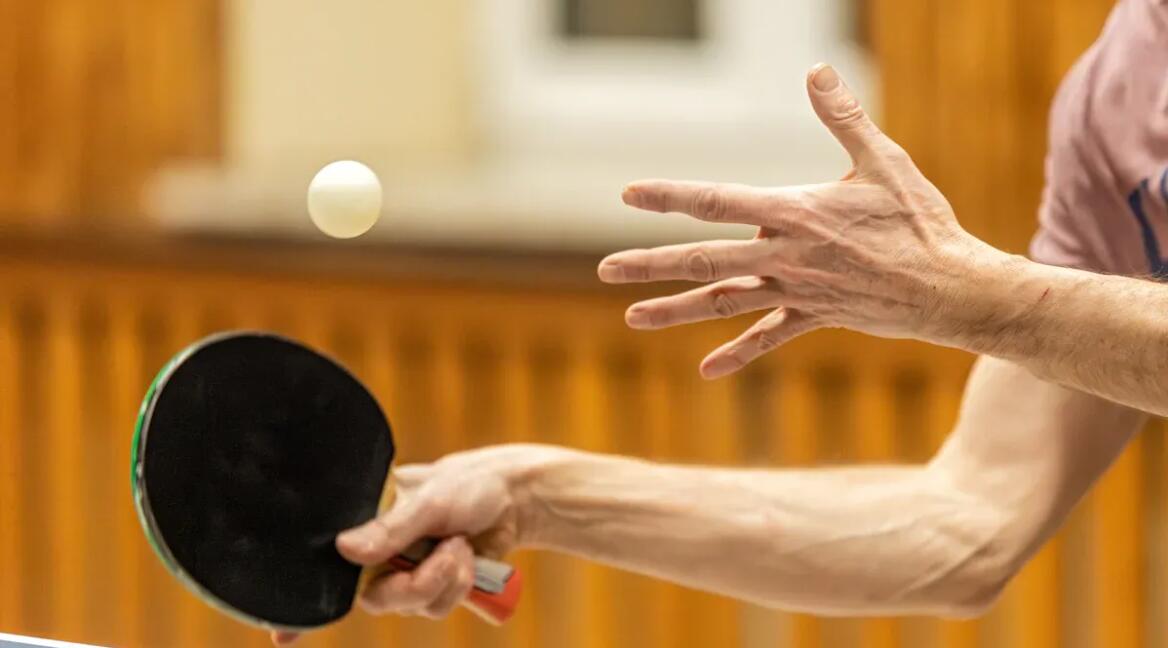
You want to pick the right table tennis racket, but it can feel tricky. The perfect racket helps you play better and enjoy every match. Studies show that changing your equipment boosts your confidence and makes you love the game even more. When you play on a table tennis table with a Doublefish racket that fits your style, you stay excited and keep coming back. If you learn a few smart tips, you will make a choice that feels good every time you play.
Why the Right Table Tennis Racket Matters
Game Performance
You want to play your best every time you step up to the table. The right table tennis racket helps you do just that. When you use a racket that matches your style, you hit the ball with more accuracy. You notice your shots land where you want them. You feel the difference in your speed and spin. If you like to attack, a racket with a fast blade and sticky rubber lets you smash the ball with power. If you prefer defense, a racket with more control helps you block and return tough shots.
Here are a few ways the right racket boosts your game:
- You react faster to your opponent’s moves.
- You make fewer mistakes during rallies.
- You keep the ball on the table more often.
- You learn new skills with less frustration.
Tip: Try different rackets at your local club. You will quickly see which one fits your game.
Player Confidence
Confidence matters just as much as skill. When you hold a table tennis racket that feels good in your hand, you trust your shots. You step up to serve with a smile. You don’t worry about missing easy balls. The right racket gives you a mental edge. You stay focused and enjoy the match, even if you lose a point.
You might notice these changes:
- You feel more relaxed during games.
- You take more risks and try new shots.
- You bounce back from mistakes faster.
- You look forward to playing again.
A good racket can turn a tough day into a fun one. You play with energy and excitement. You build confidence with every match.
Know Your Play Style
Choosing a Table Tennis Racket starts with knowing how you play. You might wonder, “What’s my style?” Let’s break it down so you can match your racket to your game.
Skill Level
Your skill level shapes the racket you need. If you’re just starting, you want control and comfort. You don’t need a super-fast blade yet. Beginners and intermediate players do best with rackets that help them keep the ball on the table and learn new shots. Advanced players look for speed and spin to boost their attack.
Here’s a quick guide:
| Specification | Beginner/Intermediate | Advanced |
|---|---|---|
| Speed | Slower blades for control | Faster blades for quick attacks |
| Spin | Less focus on spin | High spin for offense |
| Control | Allround blades for control | Can handle less control |
| Rubber Type | 2.0mm rubbers recommended | Quick rubbers for speed |
| Blade Type | All-around to offensive minus | Fast blades with quick rubbers |
Tip: If you’re new, pick a racket that feels easy to handle. You’ll build skills faster and enjoy the game more.
Offensive, Defensive, or All-Round
Your play style decides which racket fits you best. Do you love smashing the ball and going for quick points? You play offensively. Maybe you prefer blocking and waiting for your opponent to make mistakes. That’s a defensive style. Some players mix both and play all-round.
Here’s how play styles match racket features:
| Play Style | Racket Characteristics | Characteristics |
|---|---|---|
| Offensive | Fast speed, high spin, thinner flexible blade, high grip rubber | Focuses on aggressive play, using speed and power to gain points quickly. |
| Defensive | More control, slower speed, thicker blade, soft rubber | Relies on chopping and lobbing to control the game and wait for mistakes. |
| All-round | Balanced racket with good speed, control, and spin | Mixes offense and defense, adapts to different situations. |
- Offensive: You attack and use power.
- Defensive: You block and control rallies.
- All-Round: You switch between attack and defense.
Think about your favorite moves. Do you like to smash or block? Your answer helps you pick the right Table Tennis Racket for your style.
Table Tennis Racket Features
When you pick a Table Tennis Racket, you want to know what makes each one different. Let’s look at the main features that change how you play and feel at the table.
Grip and Handle Shape
The way you hold your racket changes your control and comfort. You might see handles shaped in different ways. Some have a slope that helps you grip the paddle tightly. This shape gives you better control, so you can move the racket exactly how you want. You can block tricky shots and add spin with more confidence.
- Flared handles work well for players who like to attack and use their wrist for topspin.
- Straight handles feel stable and help defensive players switch grips quickly.
- Penhold handles suit players who focus on backhand or forehand moves. You can choose between Chinese or Japanese styles, depending on which feels better.
If you want to perform complex shots or defend against heavy spin, the right handle shape makes a big difference.
Blade Material
The blade is the heart of your Table Tennis Racket. Different woods change how your racket feels and responds. Here’s a quick look at popular blade materials:
| Material | Characteristics | Performance Impact |
|---|---|---|
| Kiri | Softness and speed | Great for control without losing pace |
| Ayous | Soft, emphasizes control | Used in famous blades like Stiga Clipper Wood |
| Balsa | Lightweight | Needs a thicker blade for strength |
A softer blade helps you control the ball and place shots. A lightweight blade lets you react faster. If you want more power, a thicker blade gives you stability.
Rubber Type and Stickiness
Rubber is what touches the ball, so it changes your spin and speed. You’ll find tacky rubbers and grippy rubbers. Tacky rubbers help you create lots of spin, especially when you serve or loop. They grab the ball and let you curve your shots. Grippy rubbers also make spin, but they work best in rallies where you loop again and again.
- Tacky rubbers need a closed angle when you block, because they react to incoming spin.
- The friction of the rubber decides how much spin you get. Tacky rubbers have more friction, so you can spin the ball harder.
- If you want to win points with tricky serves or heavy topspin, pick a rubber with high stickiness.
Weight and Balance
How heavy your racket feels changes your game. Light blades, weighing 82 grams or less, help you move fast and adjust quickly. Normal blades, around 85 grams, give you a balanced feel. Heavy blades, 90 grams or more, add momentum and stability, which helps if you want powerful shots.
| Weight Category | Weight Range (grams) | Player Type Description |
|---|---|---|
| Light Blades | 82 or below | Quick reactions and easy adjustments |
| Normal Blades | Around 85 | Balanced for most players |
| Heavy Blades | 90 or more | More momentum and stability for power shots |
| Overall Setup | 180 to 185 | Blade plus two thick rubbers for balance and agility |
If you want to react fast, choose a lighter racket. If you want more power, go heavier. Most players do best with a balanced setup.
Speed, Spin, and Control
Every Table Tennis Racket has ratings for speed, spin, and control. These numbers or words help you compare rackets. Brands use different scales, but the idea stays the same. Speed means how fast the ball leaves your racket. Spin shows how much you can curve the ball. Control tells you how easy it is to place your shots.
| Brand | Speed Rating Scale | Spin Rating Scale | Control Rating Scale |
|---|---|---|---|
| ANDRO | Up to 110 | Varies | Varies |
| JOOLA | Descriptive Words | Varies | Varies |
| DONIC | 0–10+ | Varies | Varies |
| STIGA | Up to 160 | Varies | Varies |
If you’re new, look for rackets with high control. If you want to attack, pick higher speed and spin. Matching these ratings to your skill and style helps you play your best.
Note: Table tennis helps you build hand-eye coordination and motor skills. The right racket supports your learning and makes every match more fun.
When you match these features to your skill and style, you get a racket that feels right. You play with more confidence and enjoy every rally. Try different options and see what works for you!
Table Tennis Racket Buying Mistakes
Everyone makes mistakes when buying a Table Tennis Racket. You can avoid most of them if you know what to look out for. Let’s talk about the most common errors and how you can dodge them.
Ignoring Play Style
You might feel tempted to grab the coolest racket on the shelf. If you ignore your play style, you risk picking a racket that doesn’t match how you play. Maybe you love smashing the ball, but you buy a racket made for defense. Or you enjoy blocking, but your racket is built for speed. This mismatch can make your game frustrating.
Tip: Always think about your favorite moves. Do you attack, defend, or mix both? Pick a racket that fits your style, not just the one that looks good.
Choosing by Price or Brand
Price tags and big brand names catch your eye. You might think expensive rackets or famous brands guarantee better performance. That’s not always true. Sometimes, a cheaper racket suits your skill level better. If you buy based only on price or brand, you might end up with a racket that’s too fast or too hard to control.
Here’s a quick look at what consumer surveys found:
| Mistake Description | Reasoning |
|---|---|
| Buying rubbers that are too fast for one's skill level | Beginners should start with slower rubbers to develop technique before progressing. |
| Choosing a reinforced blade without adequate technique | A reinforced blade may lead to poor precision if the player cannot generate enough spin. |
| Upgrading equipment without mastering basic strokes | Players should focus on improving their technique rather than upgrading their equipment. |
Note: You don’t need the most expensive racket to play well. Focus on what helps you learn and enjoy the game.
Wrong Blade or Rubber
Picking the wrong blade or rubber happens more often than you think. If you choose a blade that’s too fast, you lose control. If you pick a rubber that’s too sticky, you struggle with basic shots. Many players notice reduced performance and less control during matches. Modern rubbers give you better control and help you play your best, but only if you match them to your skill.
- Fast blades work well for looping far from the table.
- Slow blades help you block and place shots close to the table.
If you upgrade your racket before mastering basic strokes, you might find the game harder. Take your time and choose equipment that matches your progress.
Neglecting Maintenance
You want your racket to last. If you forget about maintenance, your racket wears out faster and loses its edge. Simple care keeps your racket in top shape.
Here’s what you should do:
- Store your racket away from heat and sunlight. Use a cover or box to protect it.
- Wipe your racket with a soft damp cloth after each use. For deeper cleaning, use a special cleaner and sponge.
- Check your rubber often. Replace it every 2-3 months if you play regularly.
- Apply a thin protective film to the rubber. This prevents damage from friction and oxidation.
Tip: Good maintenance means your racket stays fresh and ready for every match.
If you avoid these mistakes, you play better and enjoy the game more. Always match your racket to your style, skill, and care routine.
Comparison Table by Player Type
Picking the right racket depends on your skill level. You need different features as you get better at table tennis. Let’s look at what works best for each level.
Beginner Recommendations
If you are new, you need a racket that helps you learn. Softer blades and thin sponges help you control the ball. You do not need a fast racket yet. Choose rackets with a bigger head and light weight. These rackets help you build good habits and have fun.
Tip: Pick a racket that feels good in your hand. This helps you focus on learning your strokes.
Here are some rackets that are great for beginners:
| Racket Name | Description | Price Range |
|---|---|---|
| Palio Expert 3.0 | Good for learning, not expensive | $40 |
| JOOLA Infinity Balance | Easy to use, great for new players | N/A |
| PRO-SPIN Ping Pong Paddle | Easy to control, nice for beginners | N/A |
| Idoraz Ping Pong Paddle | Well-made, helps with basic skills | N/A |
Intermediate Choices
If you have played for a while, you may want more speed. Intermediate rackets give you both power and control. These rackets often have 5-ply blades and sponges that are 1.5–2mm thick. They feel balanced, so you can attack and defend well.
- STIGA makes rackets that are light and accurate.
- You get both speed and control, which helps you improve.
| Skill Level | Racket Features |
|---|---|
| Intermediate | Balanced blade, medium weight, 1.5–2mm sponge |
Advanced Options
If you play fast, you want lots of spin, speed, and control. Advanced rackets have stiff blades and thick sponges. Many use 7-ply blades with carbon fiber. These rackets are quick and steady during hard rallies. You need skill to use them, but they help you play your best.
Note: Advanced rackets are for players who want strong power.
| Brand | Model | Key Features |
|---|---|---|
| Butterfly | Viscaria | Fast, pro-level, good control |
| Yasaka | Ma Lin Carbon | Lots of spin and speed, carbon |
| Stiga | Clipper | For offense, medium-fast blade |
| Xiom | Stradivarius | Very fast, for skilled players |
Here is a simple comparison:
| Player Level | Blade Type | Sponge Thickness | Weight | Balance |
|---|---|---|---|---|
| Beginner | Soft, easy to use | Thin | Light | Head-Heavy |
| Intermediate | Balanced | Medium | Medium | Even/HL |
| Advanced | Stiff, carbon | Thick | Heavy | Head-Light |
Use this table to match your skill and style to a racket. Try a few and see which one you like best!
Buying Tips and Next Steps
Smart Shopping Advice
Shopping for a table tennis racket can feel overwhelming, but you can make it simple. Start by thinking about how you play. Do you like to attack or defend? Your style helps you pick the right blade and rubber. When you visit a store or shop online, try to hold a few rackets. Notice the weight and balance. A racket that feels comfortable in your hand will help you play better.
Here are some smart questions to ask before you buy:
- Does the blade give you the right mix of speed and control for your style?
- Is the rubber smooth for more spin, or pimpled for extra speed?
- How thick is the rubber sponge? Thicker sponges give you more speed, while thinner ones help with control.
- Does the paddle have a good grip for spin shots?
- Is the sweet spot large enough for easy control?
- Do you want a stiffer blade and thicker sponge for power, or a softer blade and thinner sponge for touch?
- How does the weight feel in your hand? Try different weights to see what feels best.
Tip: Ask the shop staff if you can test a few rackets. You will learn a lot just by swinging them.
You can shop at local sports stores, table tennis clubs, or trusted online shops. Always check reviews and ask other players for advice.
When to Upgrade
You might wonder when it’s time to get a new racket. If your skills have improved, your old racket may hold you back. Signs you need an upgrade include worn-out rubber, a handle that feels wrong, or a racket that no longer matches your style. If you start missing shots you used to make, your equipment could be the reason.
Most players upgrade when they:
- Outgrow their beginner racket
- Want more speed or spin
- Notice their rubber losing grip
Note: Upgrading your racket can boost your confidence and help you reach the next level. Try new rackets as your skills grow, and don’t be afraid to ask for help when choosing.
You want to pick a table tennis racket that fits your game and helps you grow. Here are some top tips from coaches:
- Know your playing style before choosing a blade.
- Balance speed, spin, and control for your skill level.
- Beginners should use slower rubbers and all-around blades.
- Advanced players can try faster blades and quick rubbers.
A good grip, the right blade, and proper rubber help you improve faster. Use this checklist:
- Decide if you want a ready-made or custom racket.
- Choose trusted brands for beginners.
- Upgrade as your skills grow.
Try different rackets, set small goals, and enjoy every match. You might discover your new favorite paddle!